

Mignon
1957/04/01


STORY/DESCRIPTIONS
1957/04 Appeared in Shojo Spring Special Issue (Kobunsha)
This short story draws inspiration from Wilhelm Meister by Goethe, the author of Faust, a work that significantly influenced Osamu Tezuka. However, Wilhelm Meister, which serves as a partial basis for this manga, is also famous in its operatic form. Tezuka likely drew inspiration from the opera rather than the novel itself.
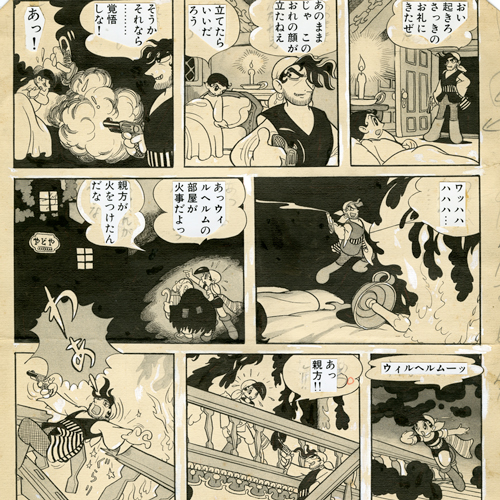
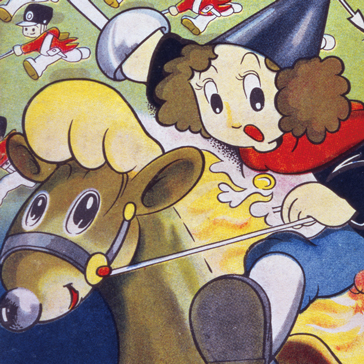
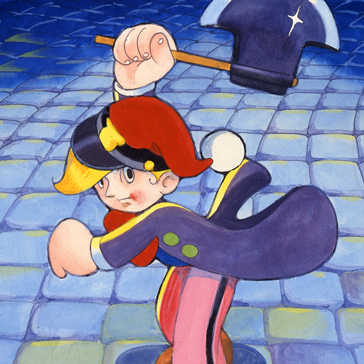
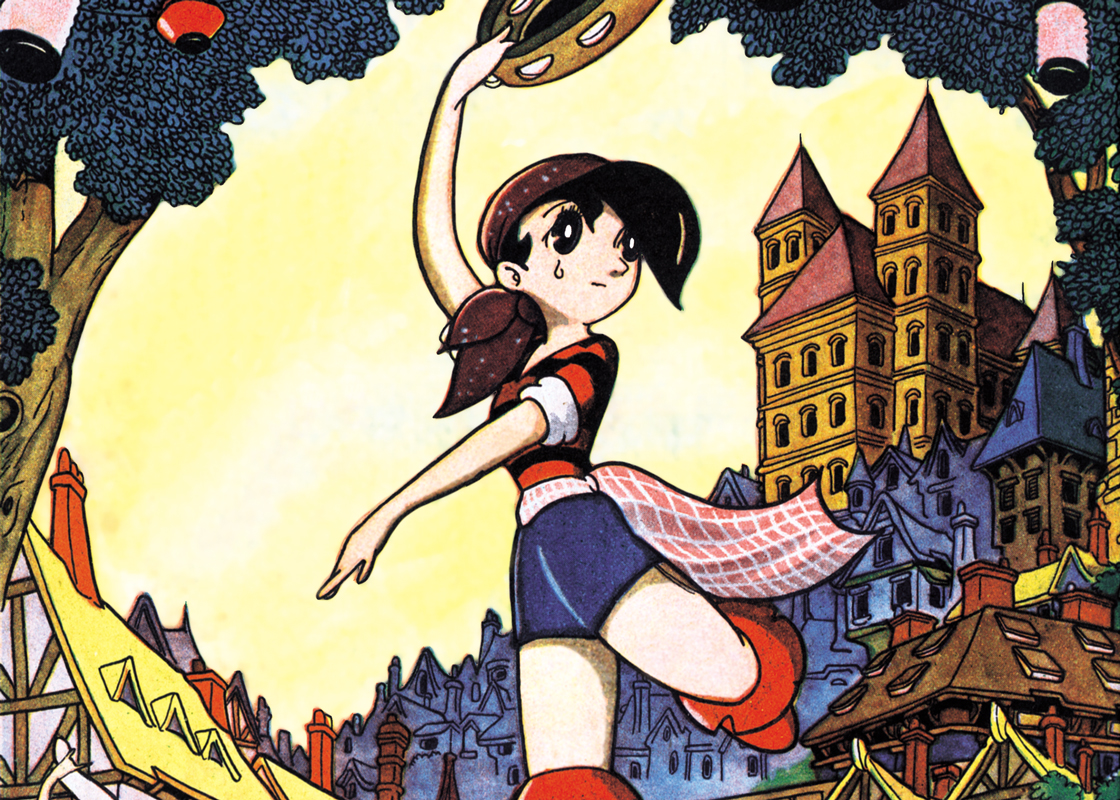
The story revolves around Miniyon, a boy who was kidnapped by a group of Gypsies during his childhood and now earns a living as a dancer. One day, a kind young man named Wilhelm rescues him just as the group's leader is about to whip him. Later that same night, the singer whom Wilhelm serves as an attendant cancels the performance due to a stomachache, so Miniyon steps in to sing instead, wanting to repay Wilhelm for his kindness. Meanwhile, the leader, humiliated in front of the audience, decides to seek revenge on Wilhelm and follows him.
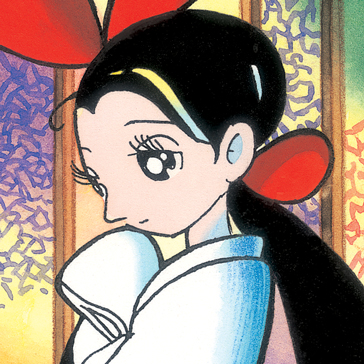
This story has a typical happy ending, but Osamu Tezuka adds his own unique spin to the characters, skillfully bringing everything together in just nine pages. Some elements of Miniyon's characterization even remind readers of Sapphire from *Princess Knight*. Tezuka approaches the material with such confidence that it feels almost effortless.
Tezuka was well-known for adapting foreign literature into manga, tackling works such as *Faust*, *Crime and Punishment*, and *Cyrano de Bergerac*. In each case, he immersed himself in these texts repeatedly until they became a part of him. Given that this work was created in 1957, during an incredibly busy period in Tezuka's career, it's evident that the original story was likely one of his favorites.
For Tezuka fans, there's an additional delight to enjoy: Higeoyaji, who is perfectly cast and delivers a commanding performance as both the beggar and the duke.